



This week on Everyday Ambassador, I spoke with Fernando Brancoli, a Brazilian scholar of international relations, about a tragic event in his home country. On October 29th, 2025, a police operation in the favelas of Rio de Janeiro resulted in the deaths of at least 130 people. It was the deadliest police raid in Brazil’s history.
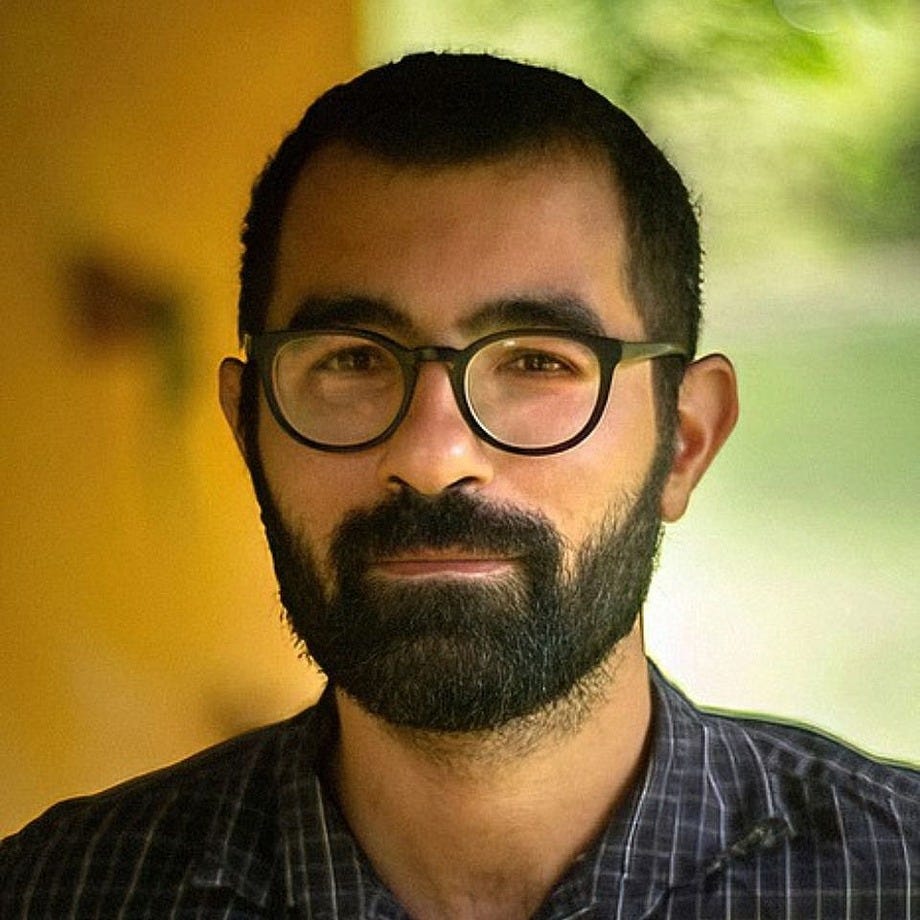
Fernando is Associate Professor of International Relations at UFRJ, Brazil and a current Member in Residence at the Institute for Advanced Study in Princeton. He the author of Bolsonarismo: The Global Origins and Future of Brazil’s Far Right.
Fernando explains how the geography and social structure of Rio, and the contrast between the favelas and the more affluent neighborhoods below, shape dynamics of violence and fear. He also traces the historical roots of the favelas to Brazil’s legacy of slavery and racial inequality, and highlights how these communities have simultaneously endured hardship and nurtured some of the nation’s richest cultural traditions.
Fernando shares his research on the weapons now used by police in Rio. He explains that the city’s security forces have begun deploying rifles manufactured in Israel, weapons originally designed and tested for use in Gaza. This discovery raises questions about how technologies of warfare travel across borders and enter domestic policing, blurring the line between military and civilian operations.
In our conversation we explore how these dynamics connect Brazil to broader global patterns. Similar weapons and tactics, he notes, have appeared in South Africa, India, and parts of Europe, and even in police responses to protests in the United States. What emerges is a picture of a world in which security technologies and justifications for violence move easily across national borders and legal boundaries between war and policing, while the social and ethical frameworks needed to regulate them lag behind.
Fernando also points to emerging signs of resilience and hope. Grassroots movements in Brazil’s favelas are building alliances with activists in Israel and Palestine, recognizing that they face shared challenges, and perhaps shared solutions, in confronting transnational systems of violence.
To learn more here are two of Fernando’s recent articles:
“In Brazil’s favelas, activists find common ground with Palestinians in Gaza” — a piece for Al Jazeera exploring solidarity networks and shared experiences of violence and resistance between Brazilian and Palestinian activists.
https://www.aljazeera.com/news/2023/11/20/in-brazils-favelas-activists-find-common-ground-with-palestinians-in-gazaSecurity in Context 2024 Latin America Report — a broader regional analysis that situates Brazil’s security politics within transnational trends.
https://cdn.prod.website-files.com/63624397be3141e7fd81285d/6839a53946c8cefd283e39c0_250529_SICReport_LatinAmerica.pdf
Episode Timestamps:
[00:00] The Deadliest Police Raid in Brazil’s History
[00:45] Understanding Rio’s Favelas: Geography and Inequality
[03:30] Personal Roots: Growing Up in Niterói
[06:45] The Global Drug Trade: From the Andes to Rio’s Ports
[13:00] From Gaza to Rio: The Language of “Racialized Enemies”
[15:30] “Pacification by Distance”: Policing Without Engagement
[18:00] When War and Public Security Converge
[23:15] Political Paradoxes: Lula’s Government and State-Level Policy
[25:30] Public Opinion and Civil Society Responses
[27:00] Transnational Solidarity: Activism Across Borders
[29:00] Lessons for Peacebuilding in a Connected World
[31:00] Closing Reflections: Shared Struggles, Shared Hope
I am grateful to the Nagasaki City Peace Promotion Division for making this podcast episode and post possible.


